
Booking a trip is exciting, but it is also weirdly risky. Photos look polished, descriptions sound perfect, and every place promises comfort, convenience, and “great location.” Guest reviews cut through that. They show what actually happens after check-in, when the lobby lighting is gone and someone is trying to sleep before a 7 a.m. flight.
Guest Reviews Turn Listings Into Reality

A listing tells you what a hotel, apartment, tour, or travel service wants you to notice. Guest reviews tell you what people noticed without being paid to sell it.
That difference matters. A room may technically have Wi-Fi, but reviews tell you whether it works on the third floor. A hotel may say “near the center,” but guests explain whether that means a pleasant ten-minute walk or a noisy road with no sidewalk.
For travelers, this is practical risk management. For travel businesses, it is reputation data in public view. Before you compare prices, compare expectations.
A cheaper room stops looking cheap if five recent guests mention thin walls, surprise fees, or a shuttle that never arrives.
Look Beyond The Star Rating
The star rating is useful, but it is only the front door. The real value sits in the review text, the dates, and the repeated details. Booking.com explains that its review score is weighted, meaning more recent reviews can have a bigger effect on the overall score, and guests can also rate areas like cleanliness, location, staff, comfort, facilities, value, and Wi-Fi.
That is why review reading now feels almost like digital literacy. You are not just asking, “Is this place good?” You are asking, “Good for whom, when, and under what conditions?”
The same applies to AI-written content online, where tools like an AI detector can help people think more carefully about what looks authentic.
Recent Patterns Matter More Than Loud Opinions
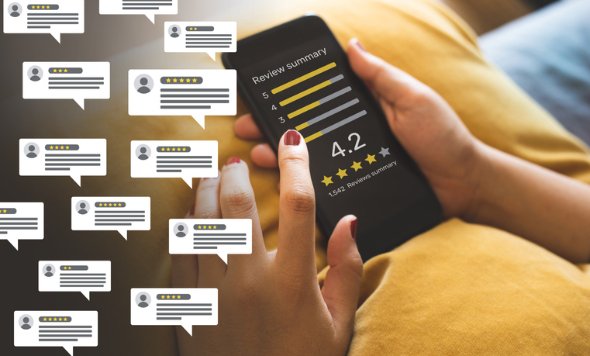
Do not let one furious review take over your brain. Travel reviews are emotional because travel itself is emotional.
Someone may give one star because the weather was bad, the airline lost luggage, or the receptionist would not upgrade them for free. That does not mean the property is terrible.
What matters more is the pattern. If many guests, across different months, mention the same issue, listen.
Three complaints about noise near the elevator are more useful than one dramatic rant. Ten mentions of friendly staff are stronger than one perfect sentence that sounds copied from a brochure.
Recent reviews are especially important because hotels change managers, renovate rooms, switch cleaning teams, or quietly decline after a busy season.
What Reviews Reveal That Photos Usually Miss
Professional photos are designed to make you pause and click. Guest reviews are designed, at least in the best cases, to explain what the stay felt like. They reveal the little things that shape a trip far more than a wide-angle room shot.
Look for comments about:
- Cleanliness in bathrooms, bedding, kitchens, and shared spaces
- Real noise levels at night, not just “central location”
- Staff response when something goes wrong
A 2024 study by Stela Kolesárová, Anna Šenková, Erika Kormaníková, and Kristína Šambronská, published in Administrative Sciences, examined accommodation reviews in V4 countries and noted that up to 90% of respondents used customer reviews as a factor when choosing accommodation.
That makes sense. Reviews carry lived details that listings usually avoid.
A Simple Review-Checking System Before You Book

The easiest approach is to scan reviews like a traveler, not like a detective. You are not trying to prove every sentence true. You are trying to decide whether the overall guest experience matches your trip needs.
|
Check |
What to notice |
|
Last 3 months |
Current service, renovations, staff changes |
|
Middle ratings |
Balanced comments with useful detail |
|
Repeated words |
Noise, smell, parking, cleanliness, Wi-Fi |
|
Host replies |
Whether problems are handled professionally |
After that, filter by traveler type. A business traveler cares about Wi-Fi, desk space, and quiet. A family may care more about elevators, breakfast, and room size.
A couple on a weekend trip may forgive a small room if the location is excellent. Reviews only help when you read them through your own trip.
Fake Reviews Make Careful Reading Essential
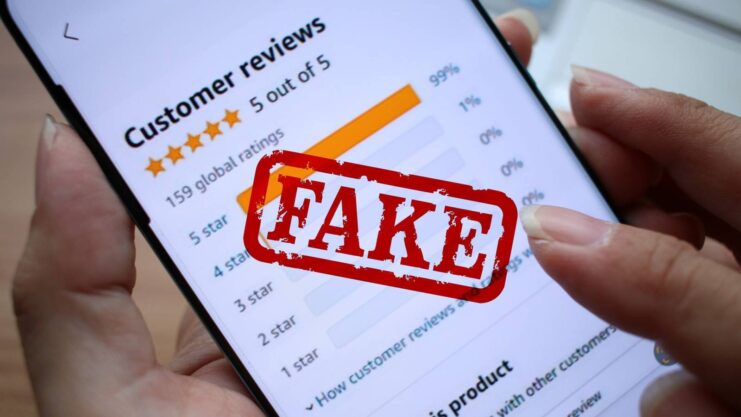
Fake reviews are no longer a small side problem. Tripadvisor’s 2025 Transparency Report said it analyzed more than 31 million reviews and opinions from travelers worldwide for 2024.
The FTC also announced a final rule in 2024 banning fake reviews and testimonials, including AI-generated fake reviews that misrepresent real customer experience.
Important rule: trust specific experience more than perfect enthusiasm.
A believable review usually names real context. It mentions the lift, street noise, breakfast timing, late check-in, parking entrance, or how staff solved a problem.
Be careful with reviews that sound extremely polished but say almost nothing. “Amazing place, best trip ever, highly recommended” is nice, but it does not help you book smarter.
FAQs
1. Should I trust negative reviews more than positive ones?
Not automatically. Negative reviews are useful when they describe a clear, repeated issue. Positive reviews are useful when they include specific details, not just praise.
2. How many reviews are enough?
There is no magic number, but a place with many recent, detailed reviews gives you a safer picture than one with only a handful of old comments.
3. Should I check reviews on more than one platform?
Yes, especially for expensive trips. Compare Google, Booking.com, Tripadvisor, Airbnb, or the company’s own site. If the same strengths and weaknesses appear in multiple places, the pattern is probably meaningful.
Final Thoughts
Guest reviews should be your first stop because they protect the trip you are already paying for. They help you see past polished marketing, understand real trade-offs, and spot problems before they become your problem.
Read them calmly, look for patterns, and match the feedback to the trip you actually want. That small habit can save money, stress, and a lot of disappointment.