
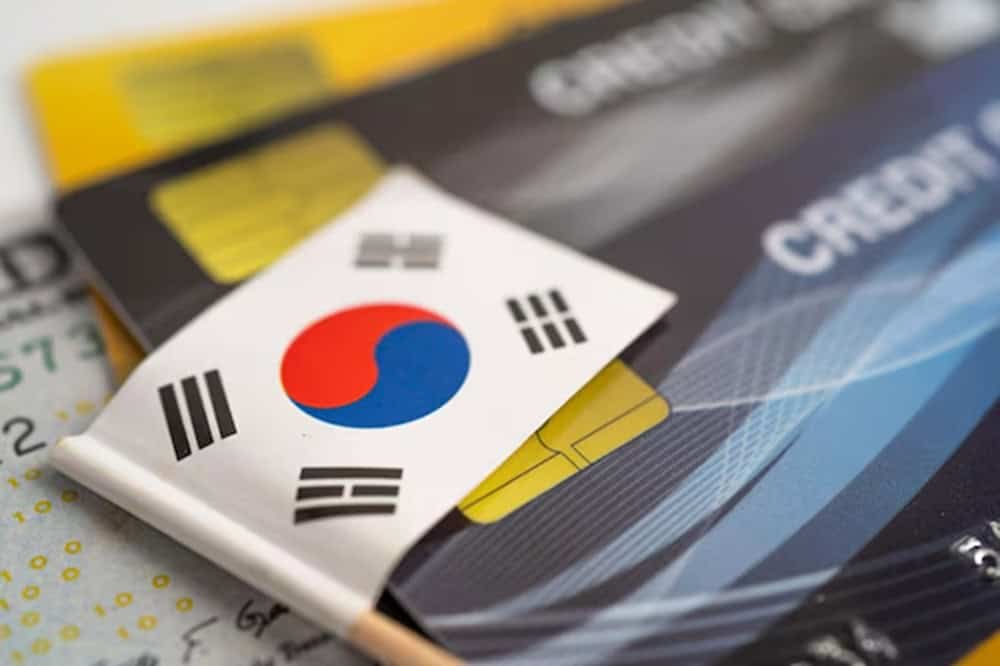
Visitors to Seoul notice it within hours. The coffee cart takes cards. The street food stall takes cards. The taxi, the subway, the temple gift shop, and the elderly vendor at the neighborhood market all take cards.
Korea has one of the highest rates of credit card use per capita in the world, a result of deliberate policy after the late-1990s financial crisis: tax deductions for card spending, merchant acceptance mandates, and a receipt lottery that made documented transactions a habit.
That history has produced something unexpected in the age of AI. Because nearly every Korean transaction leaves a card record, Korean consumers have some of the richest personal financial data anywhere, and AI money tools built on that data have developed features that barely exist in other markets. Korea is, in effect, a preview of what AI-managed household finance looks like when the data is complete.
The Data Advantage
In cash-heavy economies, AI budgeting tools struggle because a meaningful share of spending is invisible. In Korea, almost nothing is. Card transaction data flows to consumers’ banking and fintech apps in near real time, categorized by merchant type.
An AI assistant can see groceries, transport, dining, and entertainment down to the individual transaction, without the user entering anything.
The result is categorization accuracy that users in other markets would find startling. Spending reports are not estimates. They are complete.
Installment Consolidation: A Feature Born of Habit

The most distinctively Korean AI money feature addresses a distinctively Korean habit. At checkout, Korean consumers routinely split purchases into monthly installments, often interest-free for shorter terms as a merchant or card issuer promotion. A coat, a laptop, a dental procedure, and a flight might each be running as separate installment plans simultaneously.
Individually, each is manageable. Together, they form a monthly obligation that is hard to see, because each appears as a small line on a different card. Korean AI tools consolidate all active installments into a single view: total monthly installment burden, when each plan ends, and how the burden changes if a new purchase is added.
Users describe this as the single most useful feature in their money app, and it has no direct equivalent in markets where installment purchasing is rare.
Forecasting in a Card Economy
Because card statements are the primary financial record, Korean AI tools forecast from them. The assistant knows each card’s billing cycle and payment date, projects the statement balance from current spending and installment schedules, and warns when a payment date will collide with a low account balance.
For consumers juggling several cards, this forecasting prevents the most common Korean financial mishap: a card payment date arriving before the salary that was meant to cover it.
Liquidity Awareness Built In
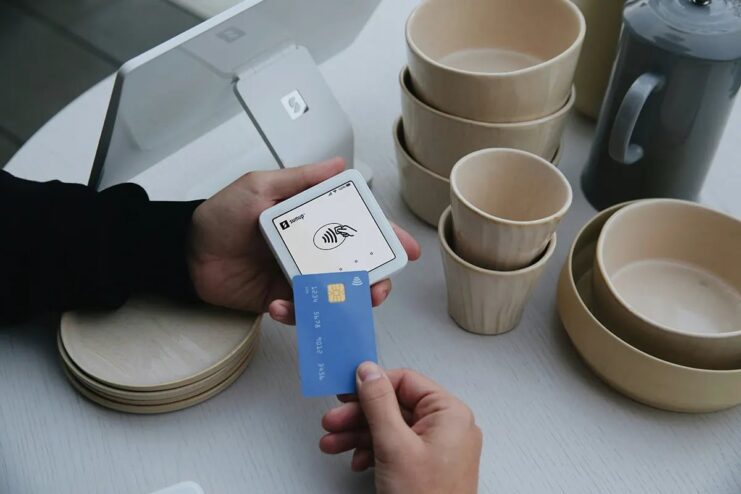
Korea’s card culture has also produced a distinctive attitude toward short-term liquidity. Available card credit is widely understood as a form of accessible funds, and alongside bank loans and card cash advances, a category of card-based cash services has developed that converts card availability into usable money for a fee.
Korean AI money tools reflect this reality rather than ignoring it. When a forecast shows a gap that savings cannot cover, a Korean assistant typically lays out the options including card-based ones, with the caveat that provider fees vary widely and should be compared directly.
Consumers do that comparison through Korean-language resources such as creditcardggang.isweb.co.kr, which organize providers by fee and process. The assistant identifies the gap and the categories of solutions.
The comparison resource supplies the provider-level detail. Korean consumers expect their tools to acknowledge that this category exists, and tools that pretend every gap can be saved for in advance are regarded as naive.
The Household Debt Shadow
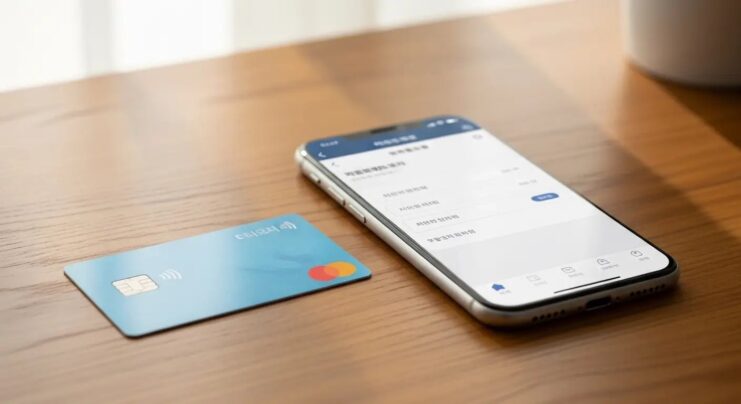
None of this is uncomplicated. Korea’s card culture has produced household debt levels among the highest in the developed world relative to income. The same data richness that makes AI budgeting powerful also reflects a population that is highly comfortable with credit.
Regulators have responded with limits on card issuance, restrictions on certain installment promotions, and consumer education campaigns.
AI tools are increasingly part of the response. Installment consolidation makes hidden obligations visible. Forecasting prevents missed payments.
Spending coaches nudge against the impulse purchases that a frictionless card economy encourages. The tools cannot fix a structural debt problem, but they can make it legible to the individual household, which is the precondition for addressing it.
What Other Markets Can Learn

Korea shows what becomes possible when personal financial data is nearly complete: accurate categorization, reliable forecasting, and features tailored to actual consumer behavior rather than to an idealized budgeter.
It also shows the necessity of building consumer literacy alongside consumer convenience. The tools arrived faster than the habits needed to use them well, and the country is still catching up.
For consumers elsewhere, the Korean experience offers a preview. As cash declines and payment data becomes complete, AI money tools everywhere will look more like Korea’s: comprehensive, forecast-driven, and honest about the full range of options a household actually has.
Whether that makes households wiser or merely more efficient depends, as it does in Korea, on whether the tools are used to understand money or simply to move it faster.
A Preview, Not a Prescription
None of this means other countries should replicate Korea’s path. The policy that built the card economy solved a specific problem in a specific decade, and it carried costs that Korea is still managing.
What Korea offers is a glimpse of the end state: a household financial life in which nearly every transaction is visible, nearly every decision can be forecast, and the tools reflect how people actually behave rather than how a textbook says they should.
The rest of the world is arriving at that state more slowly and by different routes. Watching Korea shows what to build, and what to be careful of, when it gets there.