
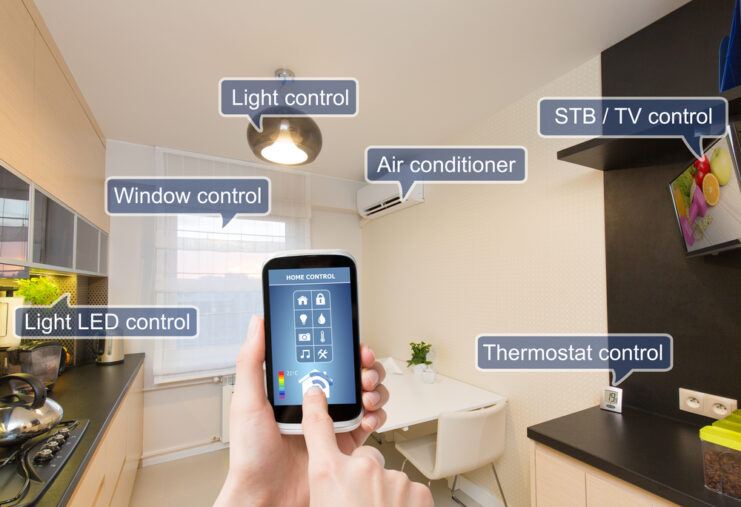
The combination of increased lifespans and people waiting longer to have children has created an entire generation of adults who are caring for both aging parents and young children at the same time.
Known as the ‘Sandwich Generation‘, adults in this demographic have a lot on their plates. Home automation can help.
Caring for aging parents while still managing one’s own household can be a delicate balancing act. Where parents are concerned, adult children need to balance the need to monitor with the need to maintain privacy. Doing so is challenging whether aging parents remain in their own homes or live with their kids.
One option for keeping an eye on aging parents is to install interior video cameras throughout the home. But this can cause parents to feel like they are always being watched. It can create an uncomfortable invasion of privacy that divides parents and their children rather than maintaining family unity.
The Growing Need for Smart Solutions
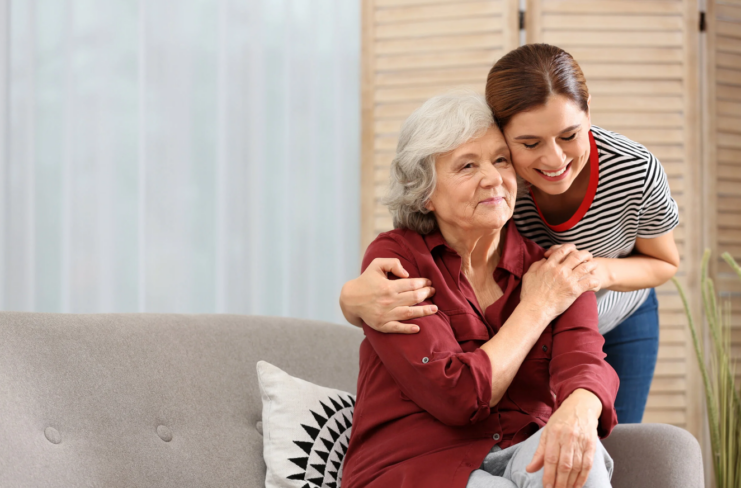
As the number of Sandwich Generation households continues to rise, the demand for practical, technology-driven caregiving solutions has never been greater. According to recent studies, nearly half of adults in their 40s and 50s are simultaneously raising children and supporting an aging parent. This dual responsibility takes a significant emotional and financial toll.
Home automation offers a way to ease that burden without requiring adult children to be physically present at all times. The peace of mind that comes from knowing a parent is safe – even from miles away – can make a meaningful difference in the daily lives of caregivers.
Noninvasive Sensors Are an Option
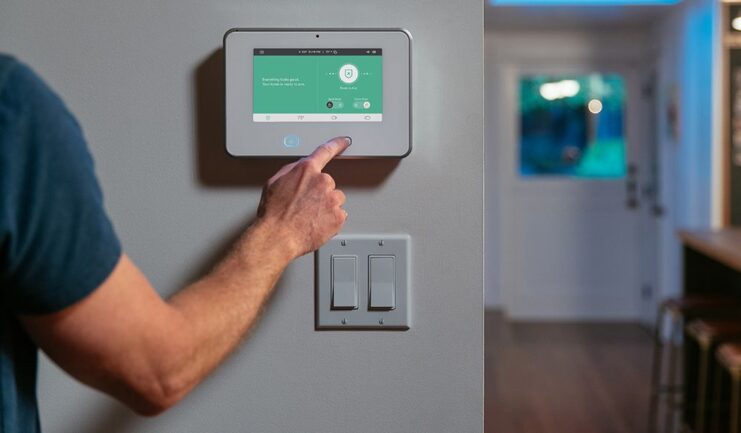
Vivint Home Security, a leading provider of both security and home automation systems, suggests opting for noninvasive sensors instead of cameras. A noninvasive sensor is something like a motion or door sensor.
Noninvasive sensors are not constantly watching like video cameras. Yet they can alert adult children to things that might indicate a problem. Adult children can respond accordingly when an alert is triggered. In a nutshell, here are three reasons suggesting noninvasive sensors might be the way to go:
- Respecting Privacy – Noninvasive sensors provide real-time information without relying on a video camera’s intrusive nature. Aging parents can maintain a sense of autonomy.
- Real-Time Alerts – Sensors send real-time alerts to caregiver smartphones. Systems can be programmed to monitor certain kinds of activity, like movement, for example. If no movement has been detected in the home for a considerable amount of time, an adult child can go check on the parent.
- Affordability – Noninvasive sensors tend to be more affordable than more expensive video surveillance cameras. Caregivers get more value for every dollar they spend on home automation.
There may be some scenarios in which it is wholly inappropriate to rely exclusively on noninvasive sensors. But when noninvasive sensors provide enough data to allow caregivers to do what they need to do, they tend to be a better investment than video cameras alone.
Adding Other Home Automation Devices
Adult children can leverage home automation in other ways. Take automated lighting. Installing smart fixtures or switches and linking them to a smart speaker can reap enormous benefits for aging parents. Parents can turn lights on and off merely by speaking, making it possible to move around the house more safely.
Adult children with access to their parents’ systems can also activate lights remotely. In the event of a medical emergency, for example, lights can be turned on in advance of local EMS services arriving.
Smart speakers can be utilized to remind aging parents to take their medications. If both parents and children use the same smart speaker ecosystem, they can even communicate with one another through their systems in real time.
Smart Thermostats and Energy Management
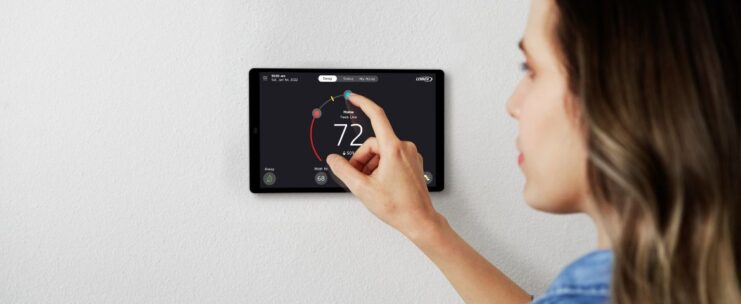
Another often overlooked benefit of home automation for aging parents is smart thermostat control. Older adults are more sensitive to temperature changes and may struggle to manually adjust traditional thermostats. A smart thermostat can be programmed to maintain a comfortable temperature throughout the day, or adjusted remotely by an adult child if needed.
This not only improves comfort but can also help prevent heat-related illnesses during summer months or hypothermia risks in winter. Some systems even learn a household’s routine over time and adjust automatically – a particularly helpful feature for seniors who follow consistent daily schedules.
Adding a Medical Alert System
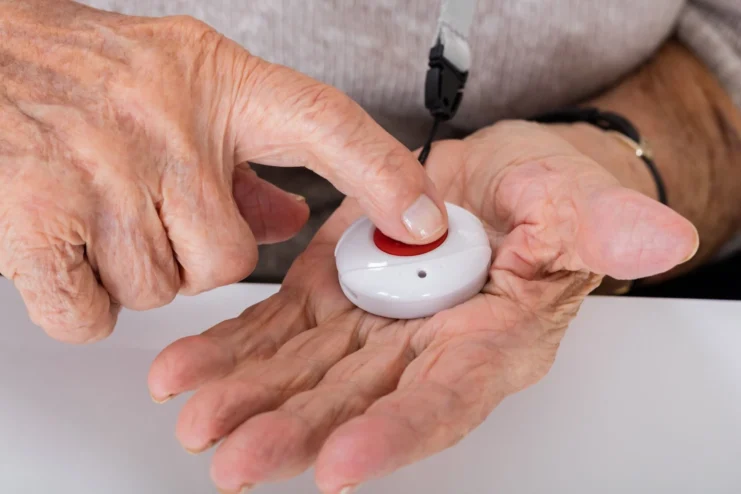
The proverbial icing on the cake is adding a medical alert device to an aging parent’s home automation system. Medical alert systems provide an emergency pendant worn on the wrist or around the neck. In the event of an emergency, the aging parent only needs to press a button to get help right away.
Home automation is a fantastic tool Sandwich Generation adults can utilize to help care for their aging parents. Think about it if you are caring for your parents.